

-
Diamonds are incredibly space-efficient. A single stone can be worth millions yet fit easily into a small safe or even a pocket.
-
Their portability makes them ideal for discreet wealth transfer and storage.


Smart Diamond Shopping, Redefined. Discover premium diamonds tailored to your style, backed by innovation. Our in-house, state-of-the-art diamond tool combines technology and trust to deliver a seamless, confident shopping experience.

World-Renowned Classic Gemstones from Nature’s Finest. Discover timeless gemstones of exceptional value, each reflecting purpose and significance. Our in-house, state-of-the-art gemstone selection tool has been meticulously designed to deliver a personalized experience, empowering you to choose your perfect gem with confidence.

Unmatched Purity. Unrivaled Prestige. Indulge in the finest refined gold, crafted to perfection and guaranteed to hold its value. Our advanced platform ensures transparency, trust, and convenience—so you can invest in premium gold with confidence.

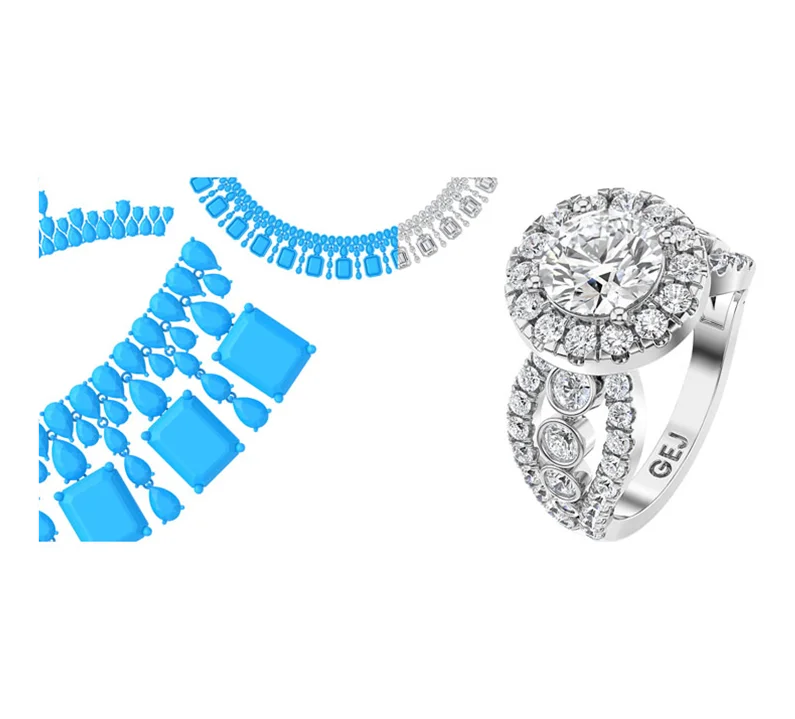
Explore a range of exquisite jewelry pieces that are not only unique but also captivating. From stunning rings to elegant bracelets, each item exudes a sense of refinement and allure.
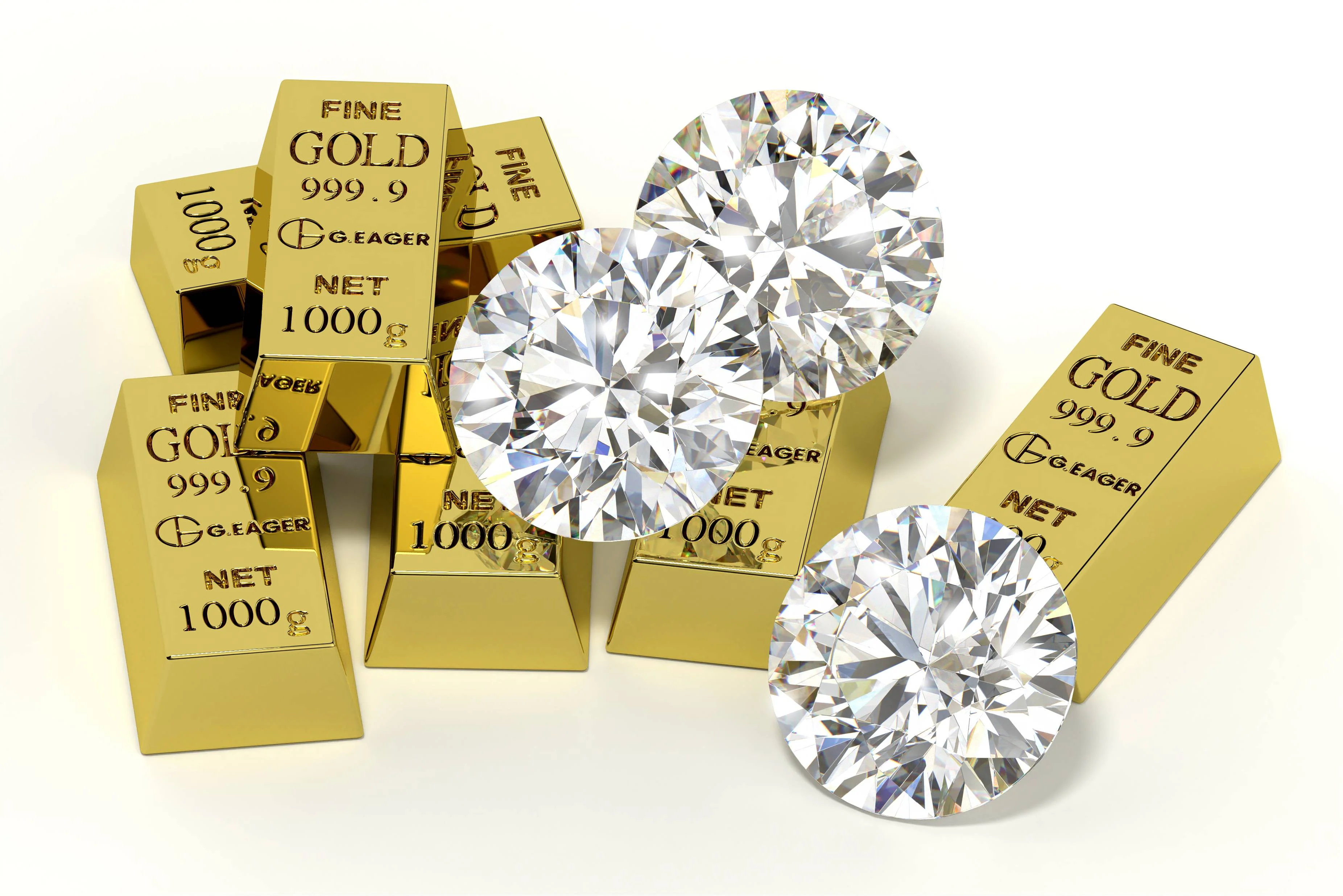
In recent years, diamonds have gained traction as a viable alternative investment and a hedge against financial uncertainty. Their appeal lies not only in their aesthetic beauty but also in their unique physical and economic properties. Here's why diamonds deserve a place in your investment portfolio:
Diamonds are incredibly space-efficient. A single stone can be worth millions yet fit easily into a small safe or even a pocket.
Their portability makes them ideal for discreet wealth transfer and storage.
As the hardest known natural substance, diamonds are virtually indestructible.
They don’t degrade over time, making them a reliable store of value.
Insuring them is straightforward, adding an extra layer of security.
Like other tangible assets (e.g., gold, silver, real estate), diamonds tend to appreciate in line with inflation.
Unlike those assets, diamonds are more durable and easier to transport.
Even if you're not investing heavily, diamonds can serve as a stable way to preserve wealth.
Diamonds retain their value even when worn.
There's no depreciation from being "second-hand"—you can enjoy them while they appreciate.
Physical assets offer emotional reassurance. You can see, touch, and wear your investment.
This contrasts with digital assets like stocks, which exist only on screens.
Diamond investing falls under the category of alternative investments. Here’s how to approach it strategically: .
Start with the 4 Cs: Carat, Cut, Color, and Clarity.
Understanding these fundamentals is crucial before making any purchase.
Diamonds typically require a higher initial investment than stocks.
Allocate only a portion of your portfolio and stick to your financial plan.
Instead of buying one $20,000 diamond, consider purchasing two or three smaller, varied stones.
Diversify by color and type—e.g., pink, blue, yellow—to increase liquidity and resale options.
Unlike stocks, diamond prices aren’t set on transparent exchanges.
Use online platforms to compare prices and get quotes from reputable sellers.
Avoid overly common diamonds that are easy to find and hard to resell.
Opt for unique, certified stones that stand out in the market.
Always buy diamonds certified by trusted labs like GIA, IGI, or HRD.
Certification ensures authenticity and helps with future resale.
“Cheap” doesn’t mean low quality. It means buying closer to the source.
Avoid middlemen by purchasing directly from manufacturers or trusted online retailers.
Engage with diamond experts, forums, and communities.
Leverage social networks to learn from others’ experiences.


Diamonds combine beauty, durability, and value in a way few other assets can. With proper education, strategic buying, and patience, they can be a rewarding addition to your investment portfolio.
Would you like help creating a diamond investment checklist or comparing certification labs?